How to organise a garage wall
Updated 31 August 2026 · 6 min read
Organise a garage wall in three zones: heavy items like bikes and ladders on fixed steel hooks at shoulder height, hand tools on pegboard or magnetic rail at eye level, and consumables in bins below. Fix into masonry or studs, never plasterboard alone, and hang the things you reach for daily closest to the door.
Start with what you actually reach for
The most common mistake is arranging a garage wall by category rather than by frequency. Tools that get used weekly end up behind seasonal kit because they belong to the same group. Work the other way round: put the ten things you touch most within arm's reach of the door, and let everything else fill in behind them.
It helps to spend a week noticing what you actually pick up before drilling anything. The wall you plan on paper and the wall you use are rarely the same.
Hooks, pegboard or magnetic rail?
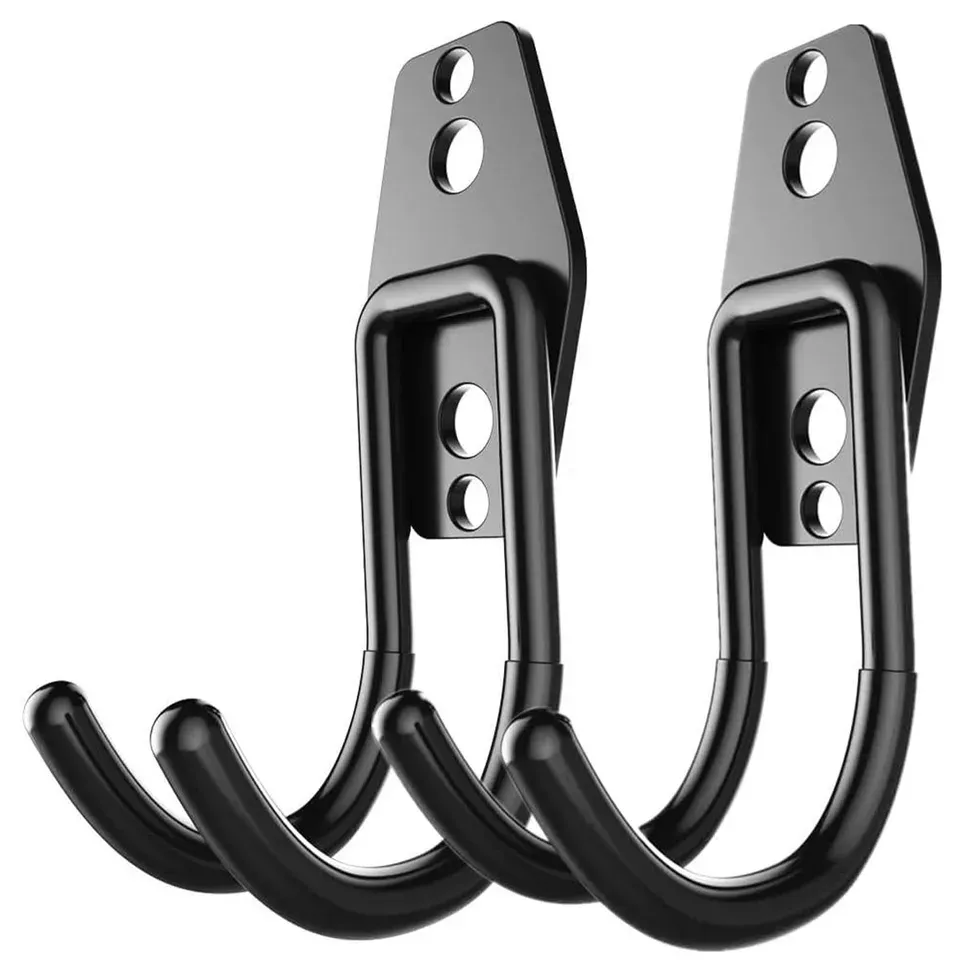
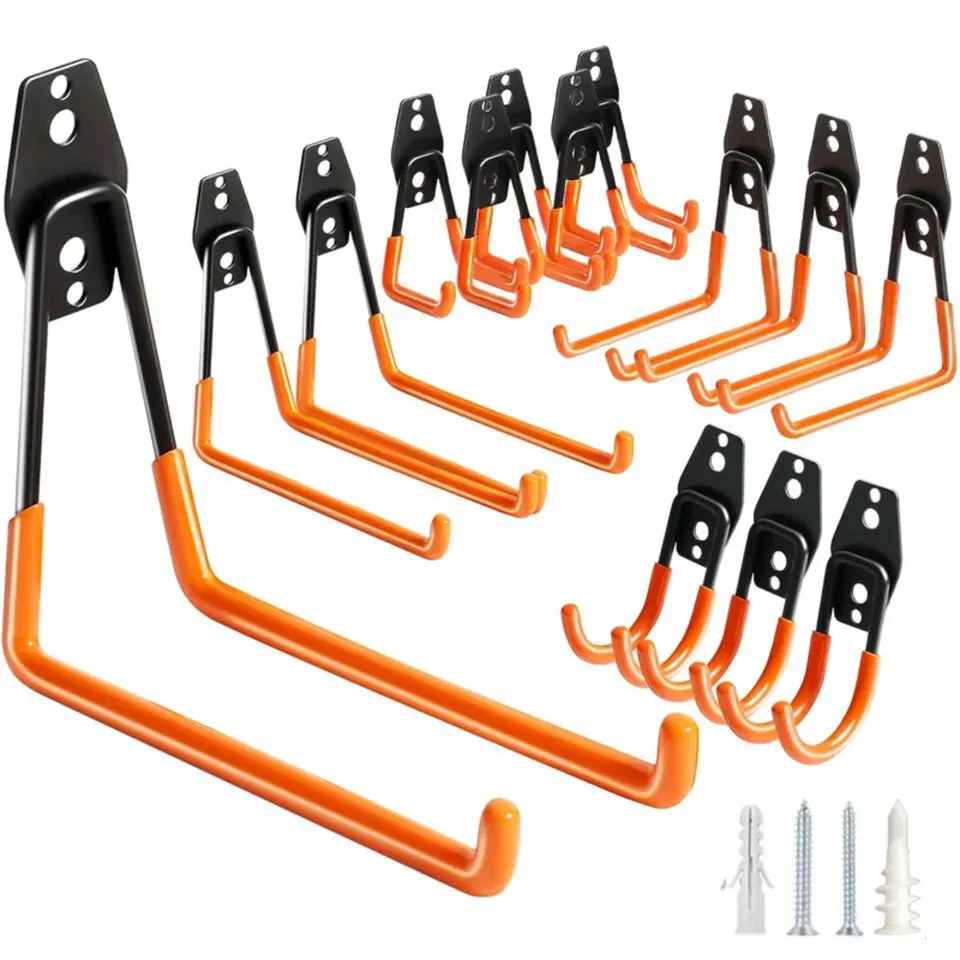
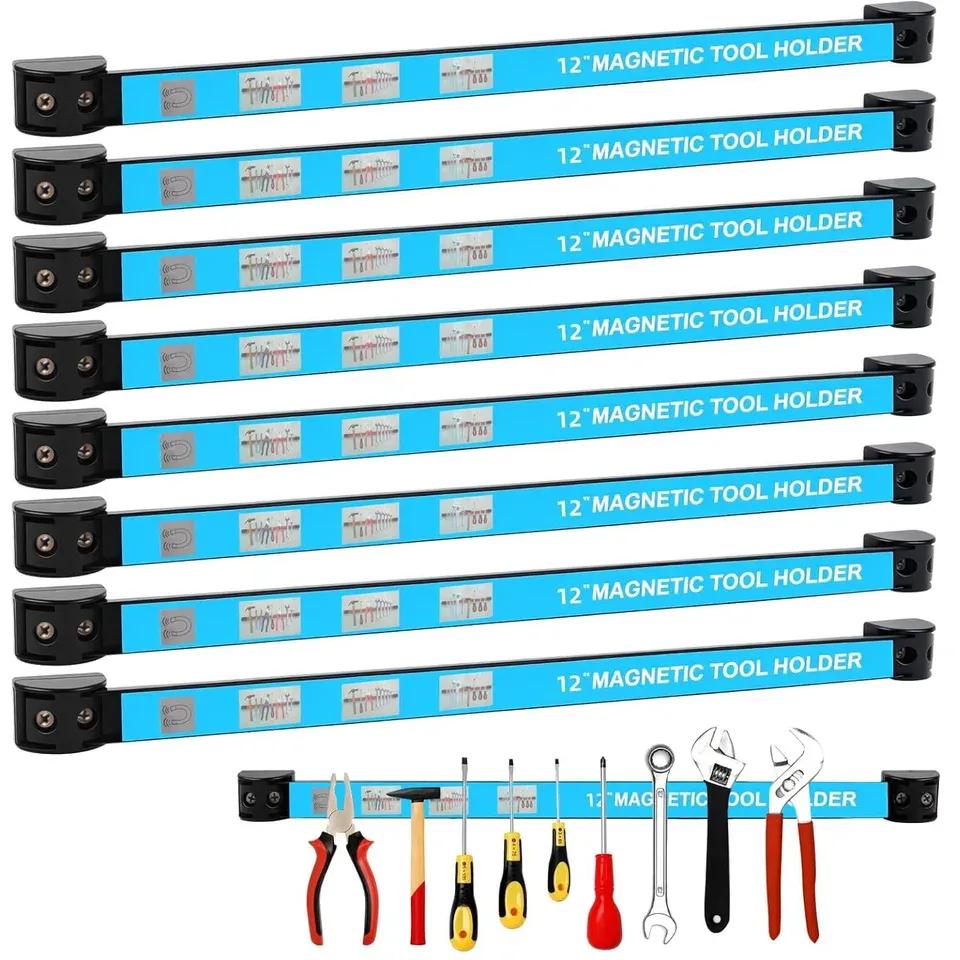
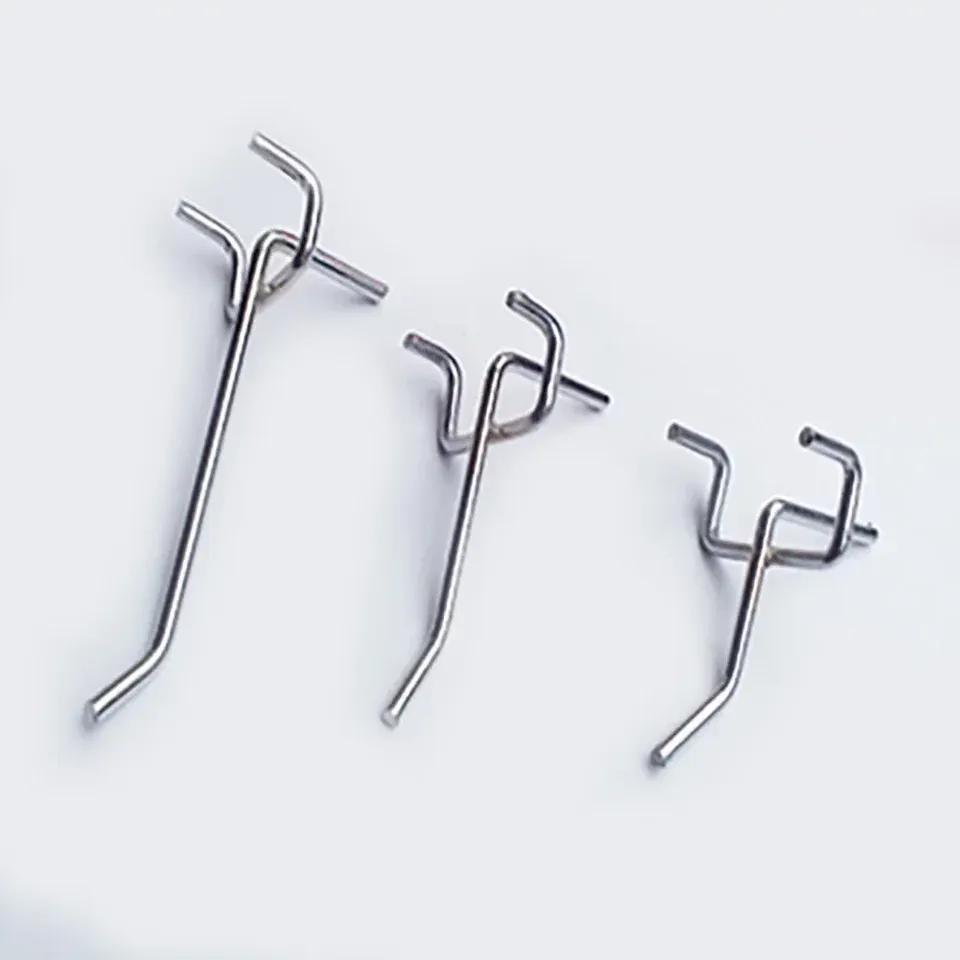
These solve different problems and most garages want all three. Steel hooks carry weight and awkward shapes — bikes, ladders, hose reels, extension leads. Pegboard suits medium items you want to rearrange, because moving a hook takes seconds. A magnetic rail is for small steel hand tools you use constantly: spanners, pliers, screwdrivers, chisels.
The rail is the one people underrate. Anything that lives in a drawer gets rummaged for; anything on a magnetic rail gets picked up and put back without thinking about it.
Fixings matter more than the hook
A hook rated to 30kg is rated for the hook, not for your wall. Into solid masonry or concrete, use a proper frame fixing or an expansion anchor sized to the screw. Into breeze block, use a fixing designed for hollow or lightweight block — standard plastic plugs crumble the block and pull out under load.
Plasterboard on its own will not hold anything heavy regardless of the anchor. Find the studs and fix into those, or mount a timber batten across several studs and hang everything off that. A batten also lets you reposition later without making new holes.
Heights that work
Eye level to shoulder height is prime real estate — put daily hand tools there. Bikes and ladders go higher, on hooks that let you lift rather than swing them into the car. Below waist height, use shelving or stackable bins rather than hooks; anything hanging low gets walked into.
Leave the wall directly behind where the car parks clear, or leave enough depth that an open car door does not meet a protruding hook.
Common questions
- What fixings should I use for a breeze block garage wall?
- Use fixings rated for lightweight or hollow block, not standard plastic wall plugs. Breeze block crumbles under the expansion force of a standard plug, so the fixing loosens under load. Frame fixings or purpose-made hollow-block anchors spread the load properly.
- How much weight can a garage wall hook hold?
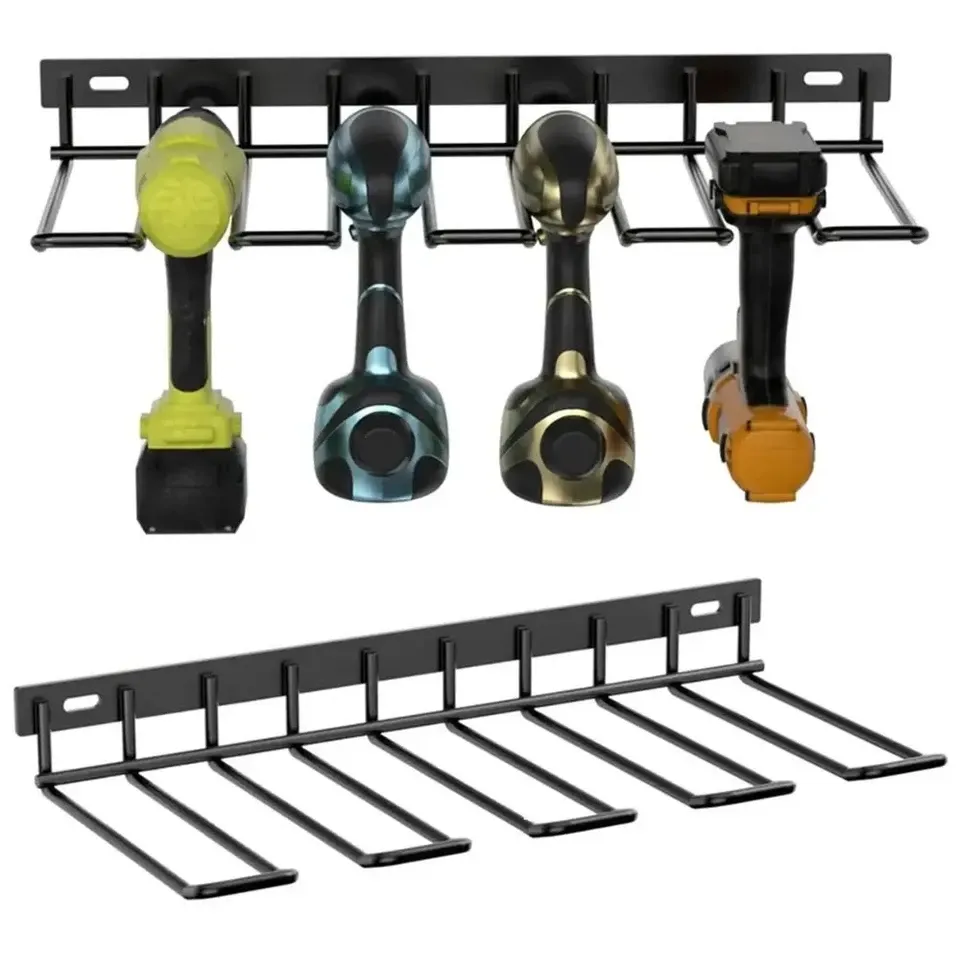
- Most heavy-duty steel hooks are rated between 15kg and 30kg each, but the real limit is almost always the wall and the fixing rather than the hook. Treat the stated rating as a maximum under ideal conditions and fix into solid masonry or a stud.
- Is pegboard strong enough for power tools?
- Standard hardboard pegboard is not. For drills, grinders and heavier power tools use a steel pegboard or a dedicated power tool rack fixed directly into the wall. Hardboard pegboard is fine for hand tools, clamps and light accessories.